Skiing and Snowboarding in Whistler
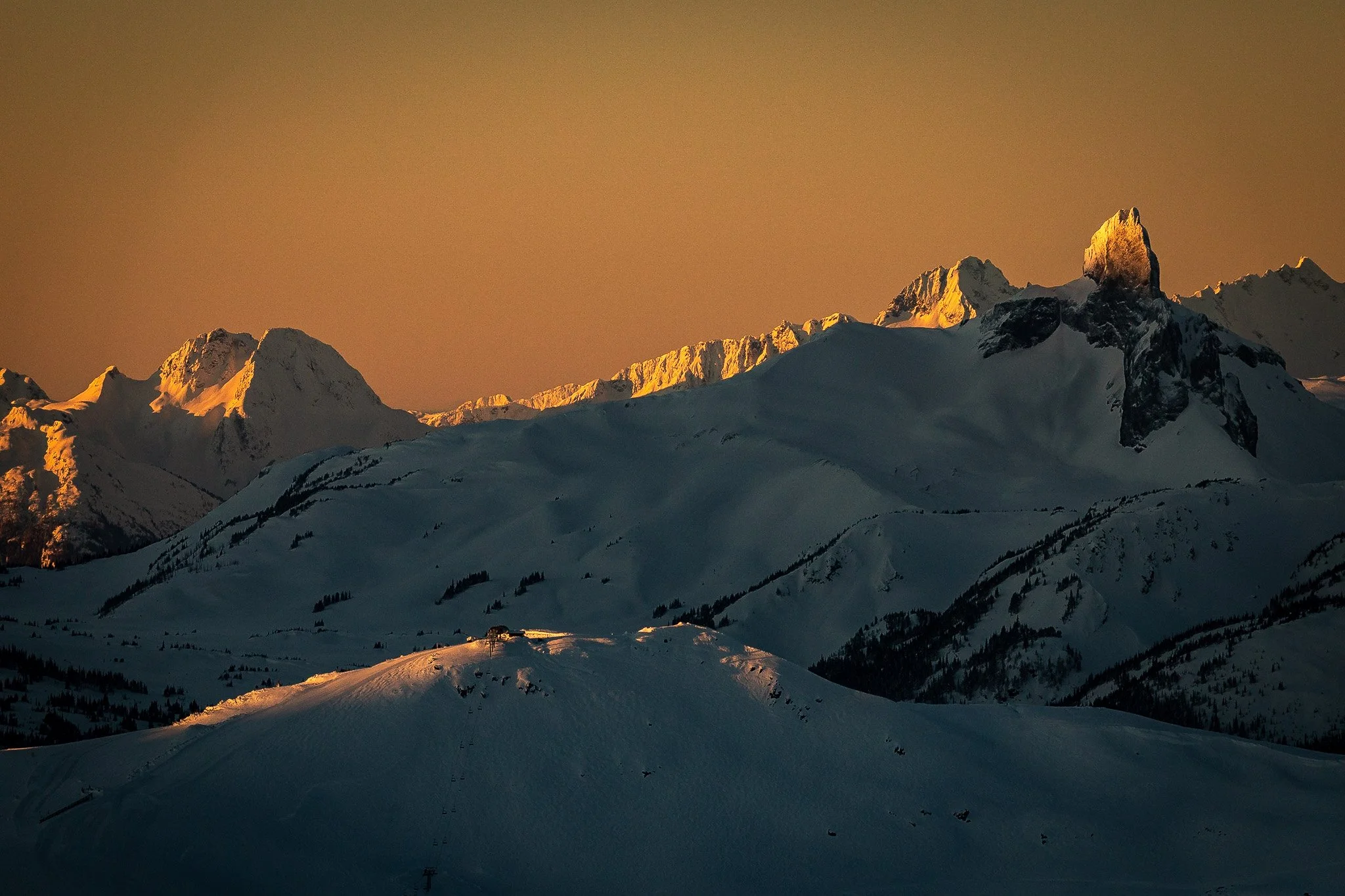
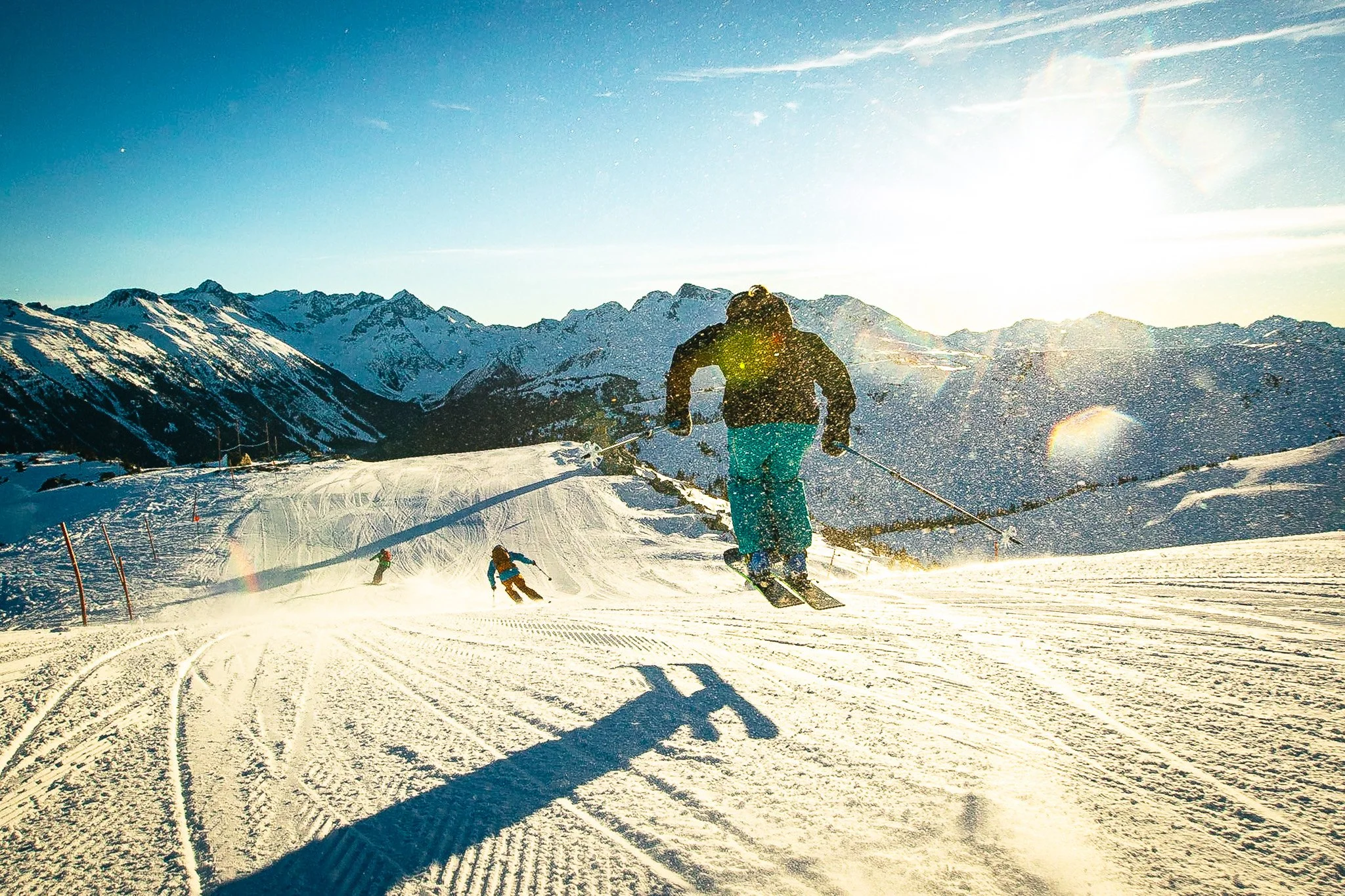
Whistler might be home to one of the biggest (and now most pointless) rivalries in skiing: Whistler or Blackcomb?. With over 8,000 acres, 37 lifts, and a vertical drop of over 1,600 meters between the two, I can tell you it really doesn’t matter.
Despite the negative press and corporatization brought on by the Vail acquisition in 2016, this remains one of the top ski destinations in the world. The terrain is unmatched, but the place is massive. You can do it right, or you can do it wrong. Let me guide you on how to navigate the maze, dodge the crowds, and find the best snow.
See below for our recommended ski and snowboard zones on each mountain and beyond.
Recommended Skiing and Snowboarding
-
Whistler
The “original” mountain has every type of terrain imaginable - from epic alpine turns to old growth tree skiing, you’ll likely find some of the best terrain you’ve ever skied here. The alpine tends to be more intuitive than the Blackcomb Alpine, and the lower mountain is a maze of cut runs that may or may not get you to where you want to go.
-
Blackcomb
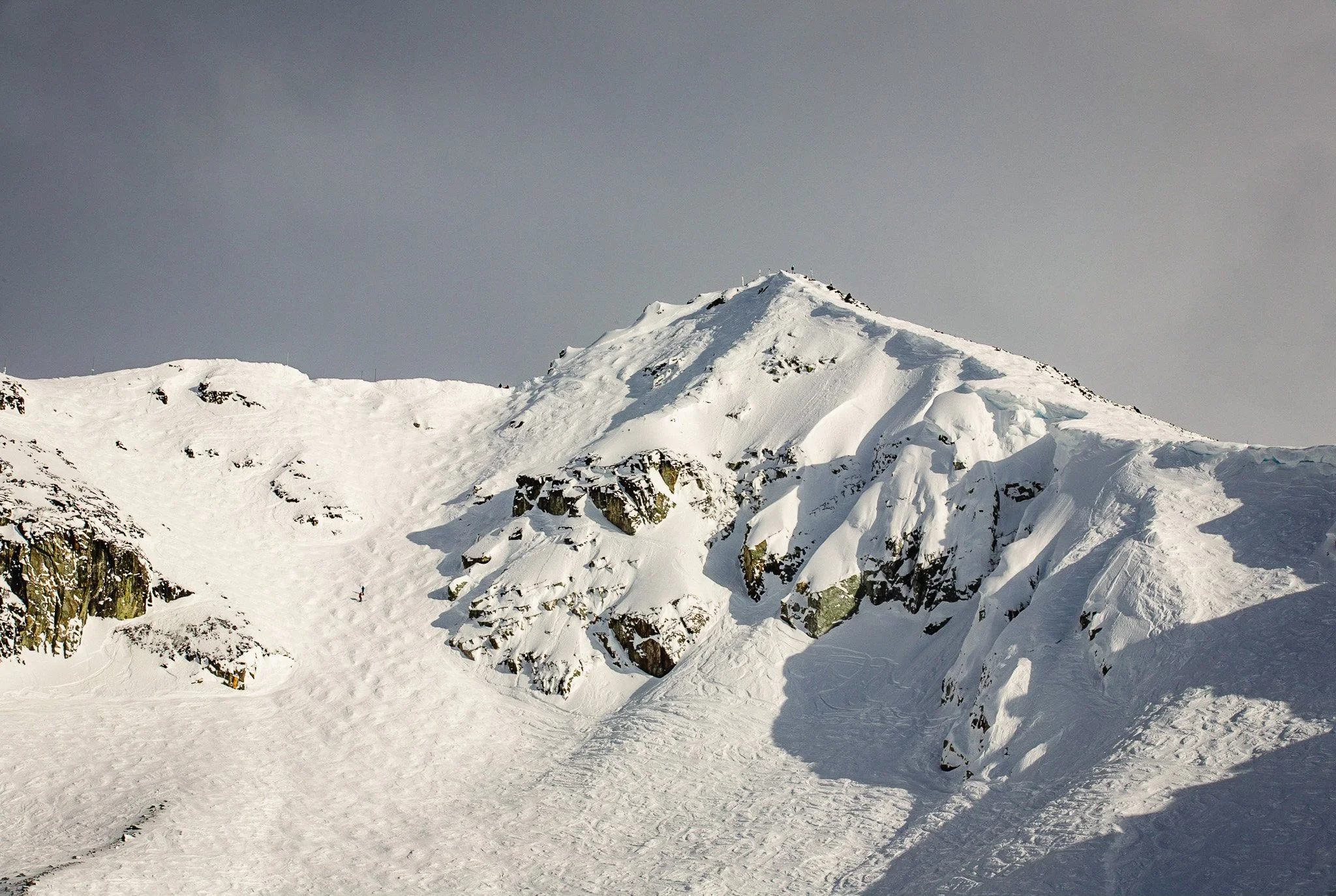
The “dark side” is a bit quieter - until it isn’t. Hosting an equal amount of jaw-dropping terrain as Whistler, this mountain is a whole playground to explore. The alpine zones of blackcomb are mazes of incredible terrain waiting to explore (or cliff you out if you aren’t careful). The lower mountain offers some of the best cruizers around with more traditionally cut ski runs straight down the face of the mountain.
-
Backcountry
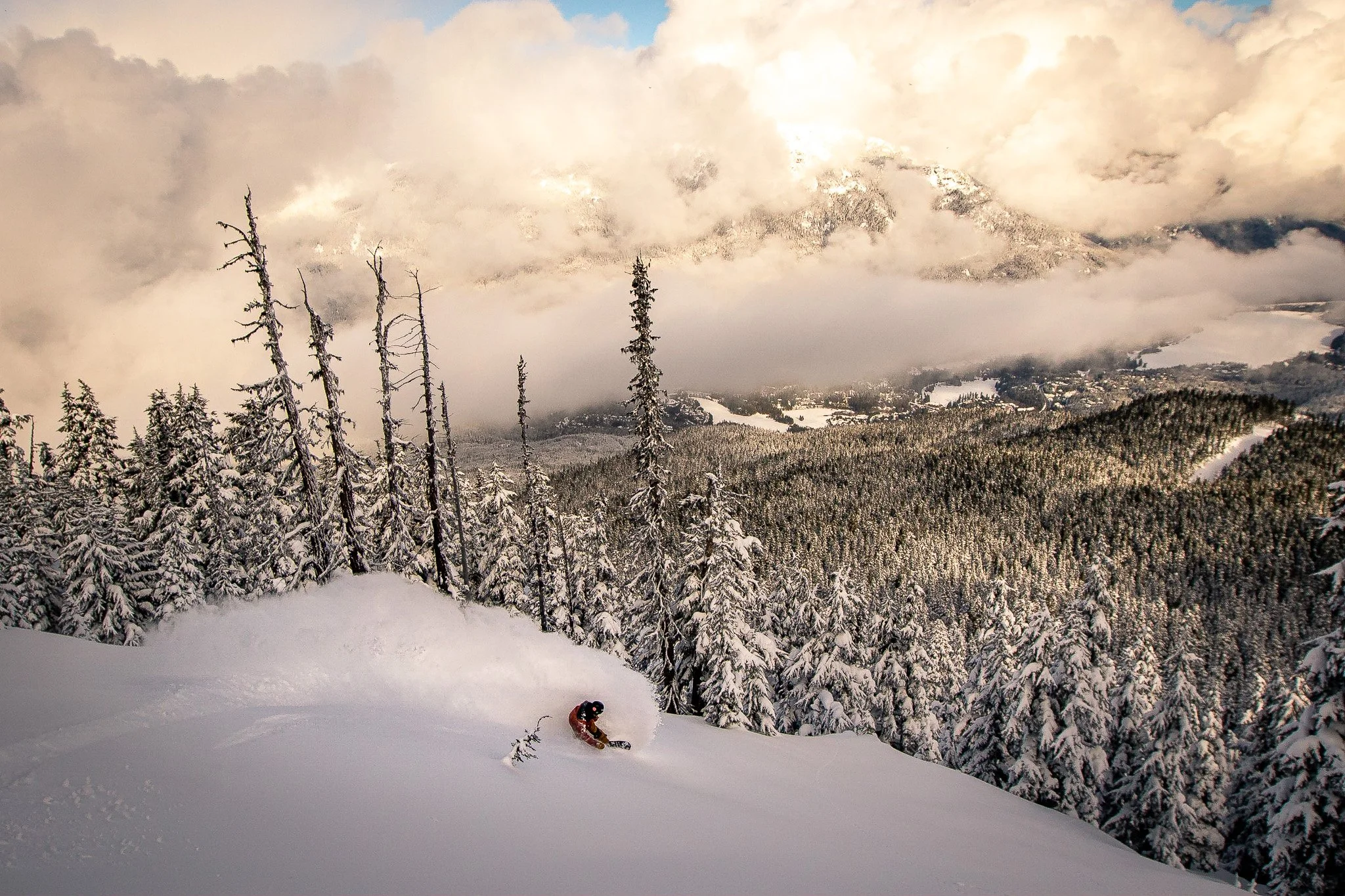
The extensiveness of the Whistler backcountry is beyond belief. There are a ton of great resources available to make the most of your time in the backcountry in the Sea to Sky.
-
Resources
No matter where you plan to go, here is a trusted list of great resources that will help you plan your days with weather and snow forecasts, avalanche forecasts, and webcams.